Recycling and Sustainability at Carpetcleaning SE10
 At Carpetcleaning SE10, sustainability is built into the way we work every day. Our carpet cleaning SE10 service is designed to reduce waste, conserve resources, and support a cleaner local environment for homes and businesses across the area. We know that residents in SE10 care about practical, responsible action, so our approach focuses on measurable improvements rather than vague promises. From chemical use to vehicle emissions, we review each part of our operation with recycling and environmental impact in mind.
Our recycling and sustainability strategy includes a clear target: we aim to recycle or responsibly divert at least 85% of operational waste from landfill. That includes packaging, used cleaning containers, worn cloths, and recoverable materials collected during service runs. By setting a percentage target, we keep our progress visible and accountable. This also helps us improve our eco-friendly carpet cleaning SE10 standards year after year, while supporting the wider boroughs approach to waste separation and sorting.
We also align our work with local waste systems by using nearby transfer stations where suitable. For day-to-day operations, this means making use of local transfer stations in and around Greenwich that can process separated cardboard, plastics, metals, and other recyclable materials. These facilities help ensure waste is handled efficiently and in line with borough expectations, especially where mixed household and trade waste streams require careful separation. In practice, this local routing reduces unnecessary travel and supports a lower-impact Carpetcleaning SE10 model.
 Our team pays close attention to the types of recycling activity that matter in SE10 and nearby communities. In boroughs such as Greenwich and adjacent parts of south-east London, households and businesses are encouraged to separate paper, glass, food waste, soft plastics, and general rubbish more carefully than in the past. We support that mindset by sorting service waste at source whenever possible. For example, empty solution bottles, recyclable transit packaging, and uncontaminated paper-based materials are set aside before anything is sent onward for processing.
We also look for opportunities to reuse materials before recycling them. Some packaging is returned to suppliers, while durable containers may be washed and reused where safe and appropriate. This approach supports a circular economy and reduces the volume of items entering waste streams. By keeping the focus on recycling carpet cleaning materials and avoiding avoidable disposal, we help create a smarter, more sustainable service for the SE10 area.
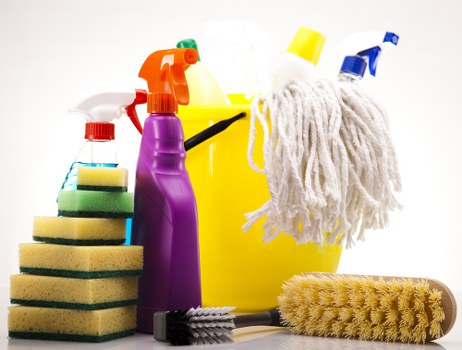 Partnerships matter as much as internal discipline, and our Carpetcleaning SE10 sustainability work includes collaborations with local charities and community groups. Where suitable, we donate surplus but usable items such as lightly used textiles, storage containers, and office materials to organisations that can put them to good use. We also support charitable initiatives that accept recovered household items, helping them extend the life of goods that might otherwise be discarded. This is a practical way to combine social value with environmental responsibility.
Our charitable partnerships are chosen carefully so they match our values of reuse, community benefit, and accountability. Rather than treating recycling as a one-way disposal process, we view it as part of a wider system that can support local causes. This is especially relevant in a borough where community-led reuse schemes, repair culture, and resource sharing are increasingly important. When possible, we encourage donation before disposal, and Carpetcleaning SE10 helps keep that principle active in our daily operations.
The environmental side of our sustainability commitment also extends to transportation. We use low-carbon vans equipped for efficient route planning and reduced fuel consumption. These vehicles are chosen to lower emissions across carpet and upholstery cleaning visits in SE10 and surrounding neighbourhoods. By combining efficient scheduling with well-maintained engines and cleaner driving habits, we reduce the carbon footprint associated with every job. This is one of the most effective ways to support green carpet cleaning SE10 without compromising service quality.
We also plan routes with local traffic patterns in mind, grouping nearby appointments to avoid unnecessary mileage. That means less congestion, fewer cold starts, and lower overall emissions. When a van carries all the right equipment for multiple tasks in one trip, it further cuts down on repeated journeys. In a busy urban area, these small operational choices add up quickly. They are part of how Carpetcleaning SE10 keeps its sustainability goals grounded in real action.
 Another important part of our environmental approach is responsible cleaning chemistry. We prioritise formulations that are biodegradable where possible and selected for low environmental impact, particularly when waste water and residue management are considered. While cleaning performance remains essential, we also think about what happens after the work is done: whether materials can be rinsed safely, whether containers can be recycled, and whether packaging can be recovered through established waste separation systems.
In the SE10 area, that mindset fits well with broader borough recycling expectations, including separating recyclables from residual waste and keeping contamination to a minimum. We help support those efforts by keeping our own waste sorted and by choosing suppliers who take packaging responsibility seriously. This means our recycling carpet cleaning SE10 processes are not just internal housekeeping; they are part of a wider local commitment to cleaner streets, better sorting, and reduced landfill use.
 Looking ahead, our goal is to keep improving the sustainability profile of every service we provide. That includes increasing the share of material sent for recycling, expanding partnerships with charities, and continuing to invest in low-carbon vans and efficient equipment. It also means listening to the practical realities of SE10, where borough recycling rules, transfer station access, and community reuse habits shape how waste is handled. For Carpetcleaning SE10, sustainability is not an add-on — it is part of how we operate, plan, and grow.